
Introduction
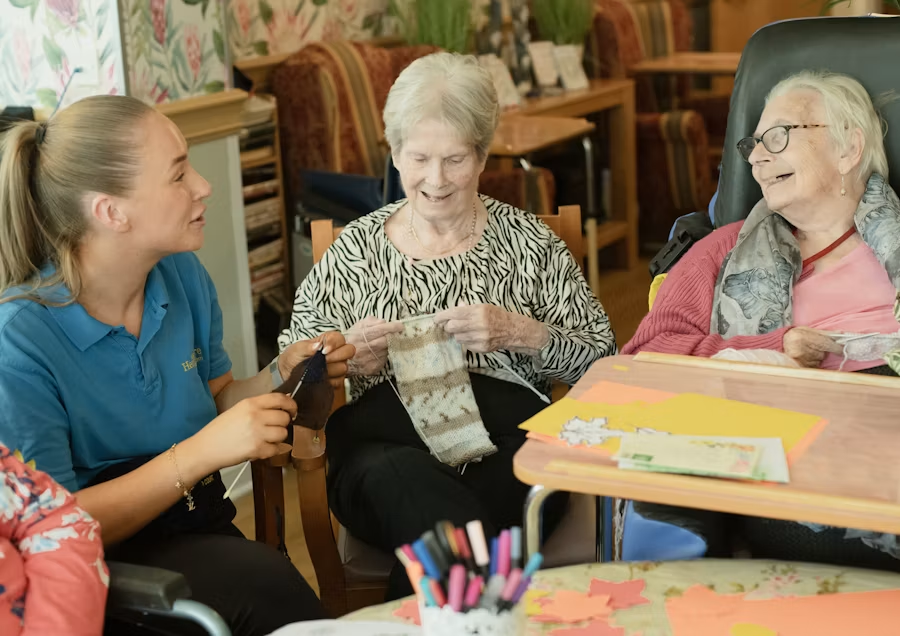
Loneliness and isolation are common challenges, especially for older adults and people living alone. Shared living—where two or more unrelated people live together intentionally—can create daily opportunities for companionship, mutual support, and purposeful routines that reduce those risks.
For families and caregivers exploring options, thoughtful planning and the right household supports make shared living safe and sustainable. Explore how practical changes in the home and daily habits can build connection while preserving independence, and learn where to find helpful products and categories at Edrena Hearth.
What shared living looks like
Shared living can be formal—such as co-housing, roommate agreements, or adult foster arrangements—or informal, like friends or family members combining households. What matters most is clear communication about finances, chores, privacy, and expectations so the arrangement supports social contact without creating friction.
How shared living reduces loneliness
Shared living reduces loneliness through regular contact, shared activities, emotional support, and practical help. Regular eye contact and small rituals—morning coffee, shared meals, or weekly check-ins—create predictability and belonging. Neighbors and housemates can notice mood changes sooner and encourage social outings or schedule visits with friends and family.
Shared meals and routines: the simplest connection
Eating together is one of the easiest ways to create connection. Organizing simple meal plans, rotating cooking responsibilities, and sharing food preparation time encourages conversation and builds dependable social structure. Adaptive kitchen tools make cooking more approachable for people with mobility or dexterity limits, so everyone can participate.
Consider browsing Kitchen & Dining Aids for grips, plate guards, and meal-prep containers that support shared cooking and dining safely and comfortably.
Designing shared spaces to encourage connection
Homes designed for interaction yet respectful of privacy help sustain shared living long-term. Arrange common areas to invite conversation—comfortable seating clusters, shared hobby spots, and visible clocks or calendars for joint plans. At the same time, provide clearly defined private spaces so everyone has a retreat when needed.
Small investments in comfort—like better mattresses or supportive bedding—improve sleep quality and mood. Look at the Bedroom Comfort & Support selection for items that help residents sleep and feel physically supported, reducing stress and irritability that can harm relationships.
Supporting independence and mobility in shared homes
Independence matters in shared living: when each person can manage daily tasks, the household functions more smoothly and relationships remain balanced. Mobility aids, grab bars, and accessible layout choices reduce falls and give everyone confidence to move about and take part in communal life.
Explore Mobility Support options like walkers and assistive devices that make it easier for residents to join shared activities and errands without constant help.
Health, monitoring and medication management
Shared living offers practical advantages for health maintenance: housemates can remind each other about appointments, notice changes, and help keep a medication schedule. That social oversight reduces missed doses and helps catch issues early.
For regular checks and peace of mind, consider simple tools and devices that are easy to use and non-intrusive. Browse Health Monitoring & Wellness items for basic devices like blood pressure monitors and pulse oximeters that support routine self-checks.
Medication adherence is often a source of stress and isolation. Automated reminders and visible organizers reduce dependence on memory and encourage shared accountability; see Medication Reminder Devices for products that help people stick to schedules without nagging.
Daily living and communication tools that keep people connected
Simple assistive devices can make everyday interactions possible and enjoyable, from easy-to-use phones to adaptive dining tools. Keeping communication tools accessible reduces frustration and allows residents to maintain outside friendships, plan visits, and call for help if needed.
Check the Daily Living Aids category for items such as large-button phones, adaptive utensils, and other practical supports that keep people engaged in daily life.
Shared chores, cleanliness and dignity
Household tasks done together or on a predictable rotation encourage teamwork and foster small interactions. Breaking chores into short, manageable tasks and using accessible cleaning and laundry products keeps shared spaces pleasant and reduces stress.
Products like hypoallergenic detergents and storage organizers reduce sensory burden and preserve dignity—valuable for residents with sensitivities or memory issues. See Cleaning & Laundry Essentials to streamline shared housekeeping routines.
Practical steps to start a successful shared living arrangement
- Discuss expectations up front: finances, chores, visitors, and privacy times.
- Create a simple weekly schedule for meals, shopping, and shared tasks.
- Equip the home with easy-to-use supports (mobility aids, communication devices, medication reminders).
- Agree on a conflict-resolution method—short, scheduled check-ins reduce tension.
- Plan social activities beyond the home: local groups, volunteer work, or hobby classes.
Checklist: setting up a shared home that reduces isolation
- Designate private and common areas
- Set predictable meal and activity times
- Install basic safety and mobility supports
- Provide communication tools and easy phones
- Use simple health-monitoring devices and medication reminders
- Create a rotating, manageable chore list
FAQ
Q: Is shared living safe for seniors with health needs?
A: With planning—clear roles, accessible home modifications, and basic monitoring tools—shared living can be safe and supportive. Consider mobility supports and health-monitoring items to reduce risk.
Q: How do you handle conflict in a shared household?
A: Establish regular, brief meetings to address issues, agree on practical rules in writing, and divide responsibilities clearly to prevent misunderstandings.
Q: What if housemates have very different routines?
A: Protect private time and create shared rituals that fit most schedules (e.g., three weekly communal dinners). Flexible expectations and respect for quiet hours help.
Q: Can shared living work if one resident has memory problems?
A: Yes—when paired with predictable routines, medication reminders, and non-judgmental support. Use labeled storage, visible calendars, and simple devices to reduce confusion.
Q: How do you find compatible housemates?
A: Look for shared values, similar cleanliness and social preferences, and clear communication in interviews. Short trial stays can reveal compatibility before committing long-term.
Conclusion
Shared living is a practical, scalable response to loneliness and isolation. With clear agreements, supportive home adaptations, and a few well-chosen products, households can create meaningful daily connection while preserving independence. Start by setting expectations, equipping the home for accessibility, and scheduling simple shared routines—small changes that reliably build belonging.